THE CONDESA ARCHIVE
Save Your Boat!: Remote Boat Monitoring and Killer Apps
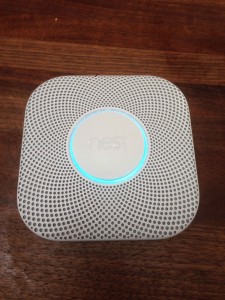
For Christmas our house got the Nest thermostat and smoke alarm/carbon monoxide detector, smart devices that connect to a smartphone app via Wi-Fi. Such devices are part of the Internet of Things, in which the electronic things in our lives communicate with us and control themselves by learning our patterns and schedules.
Upon installing the Nest smoke alarm/carbon monoxide detector, I thought hey, I could put one if these things on my boat, and as long as it’s in Wi-Fi range it would send me a warning if my boat caught fire. At $100, with a free, slick app, this could be pretty cheap insurance. Then I wondered if there might be a way for it to also send a warning if my boat was taking on water, but there was no easy way to do this. It dawned on me that being a marine electrician I could easily rig a high water float switch to trigger a small electrical fire, which would then activate the smoke alarm and let me know my boat was sinking. I knew I was onto my next multi-million dollar idea, so I popped into one of the venture capital firms down in Menlo Park. They said, “Clark, you had us at electrical fire,” but a quick competitive analysis revealed that greater minds have been on the case for years: There are several remote boat monitoring platforms.
When I think about what I’d like to know about my boat when I’m away, it boils down to these three things:
1. Is it sinking?
2. Is it on fire?
3. Is it going somewhere without my knowledge? (IE Has it been stolen, have the dock lines parted, is it dragging anchor, or has its mooring parted?)
But apparently I’m thinking small. These systems can send all manner of information to your smartphone, from your battery charge level, to fluid levels, to ambient temperature, or even if someone has undone one of the snaps on your boat cover. You can control various pumps, lights, and switches remotely, or even have a look around the main cabin via remote camera. Still, I maintain that the Nest smoke alarm/carbon monoxide detector is a cheap and cheerful remote fire alarm for a boats that have Wi-Fi at the dock or at their marina.
These systems all use proprietary electronic base stations, which reside on your boat somewhere, and this base station connects to the various sensors. Most systems come with the basic sensors (high water or bilge pump activity, high temperatur/fire, GPS location and “geofencing”), or terminals to connect to existing devices (like a bilge pump), and then have open slots for additional sensors and controls. Prices are reasonable, at $300 to $800 for the hardware with no frills.
The platform of choice seems to be cellular, which is touted as the most reliable, but of course will only work while your boat is in cellular range, and not far offshore. Cellular monitoring costs $9-$15 per month.
The GOST system, based in Ft. Lauderdale, is satellite-based (Inmarsat) with worldwide tracking. GOST seems to be more focused on the megayacht market, and I assume it’s more expensive, but they also sell basic tracking devices.
Of the cellular-based systems, Siren Marine and Boat Command are based in the US. Siren Marine offers a seasonal subscription, which brings the price down for snowbirds.
One of Siren Marine’s base stations:
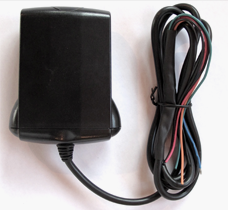
Boat Warden is based in Ireland, C-Pod in Sweden, and Boat Guard in the UK.
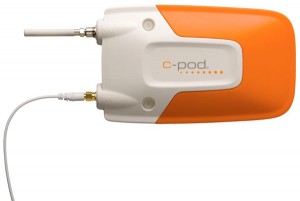
The C-Pod base station:
I think these systems will become as commonplace as security systems on cars. At less than a thousand dollars for a sophisticated hardware platform that monitors all manner of things aboard, and under $200 per year in subscription fees (and I’m rounding the prices up) it’s a relatively small price to pay for peace of mind, security, and convenience.
Yes, some spectacular boating disasters have come from relying too much on electronic gadgets, and I’m sure blind trust in these systems will cause some spectacular disasters too, but sinking, fire, and theft are among the top causes of boat loss, and one of these systems could reduce the instances of all three substantially.
Several of the systems offer a “buddy alert” feature, so people other than the owner can get the alerts too. If one of those people were the marina manager or boat neighbor, it would up the chances of getting someone on the scene quickly. If insurance companies get onboard with discounts for boaters who have such systems (who will have a lower risk of loss from sinking, fire, or theft) these systems might pay for themselves.